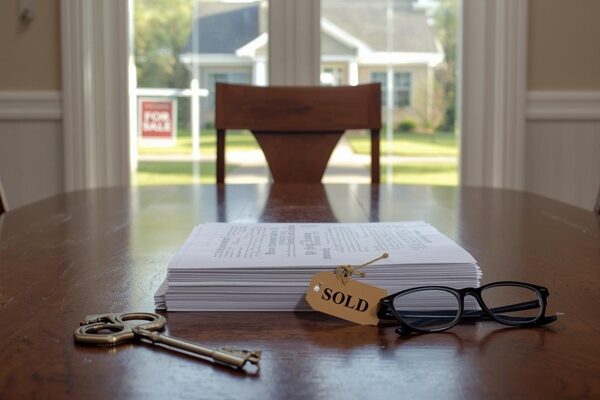
Most cash buyers assume skipping a home inspection speeds up the purchase, but that choice carries serious risk. While not legally required, an inspection reveals hidden issues that could cost you thousands. The walkthrough lets you verify the property's condition before closing, ensuring what you agreed to is still in place. Skipping both means buying blind—a gamble even experienced buyers rarely take.
- Cash sales do not legally require a home inspection, since buyers are not relying on lender-mandated evaluations.
- Even without a loan, most cash buyers choose to get an inspection to uncover hidden issues like structural damage or faulty systems.
- The walkthrough is a final check before closing, allowing the buyer to confirm the property's condition has not changed since the offer.
- During the walkthrough, buyers look for missing fixtures, new damage, or unresolved repair requests outlined in the contract.
- Sellers should prepare for the walkthrough by ensuring the home is clean, accessible, and in the agreed-upon condition to avoid last-minute deal disruptions.
🏡 Sell with confidence — cash offer, no hidden games
✅ Fair cash offers + we respect the walkthrough & inspection process. Sell on your terms.
📉 The Cash Myth: What Buyers Often Get Wrong
You might assume that paying in cash means skipping the inspection, but that's one of the riskiest assumptions you can make. Just because financing isn't involved doesn't mean the home is free of hidden damage. Structural issues, mold, or outdated electrical systems won't vanish because you're not getting a mortgage. Skipping a professional inspection could leave you facing thousands in unexpected repairs shortly after moving in.
Even in a cash sale, undiscovered foundation cracks, roof leaks, or HVAC failures can turn a great deal into a money pit. A $500 inspection can save you $20,000 in surprises.
🔎 The Real Purpose of the Walkthrough
Your presence at the final walkthrough isn't just a formality—it's your last chance to verify the home's condition. Sellers may have removed large items or made last-minute changes that affect functionality. You're checking that everything agreed upon is still in place and working. This step protects your investment, even when no lender requires it. Never waive this opportunity, regardless of how smoothly the sale has gone.
- All fixtures and appliances that were included in the sale
- No new damage (walls, floors, windows, doors)
- Plumbing, electrical, and HVAC still operational
- Agreed-upon repairs completed properly
- Property is broom-clean and debris-free
⚖️ The Power of Choice
You hold the final say in whether an inspection happens, even in a cash sale. While lenders typically require inspections to protect their investment, you're free to skip it when paying in full. That freedom, however, comes with responsibility—bypassing an inspection means accepting the property exactly as it stands, flaws and all.
📍 Serving Massachusetts homeowners — fast, fair cash offers
💡 Whether you're in Greater Boston or the suburbs, we buy houses as-is with a straightforward walkthrough.
🏃 The Final Walkthrough
Expect to inspect the property's condition just days before closing, even in a cash sale. This step confirms the home remains in the agreed-upon state, with no new damage or missing fixtures. You're not just verifying cleanliness—you're protecting your investment.
📊 Risk and Reward
Every cash sale shifts the balance of risk and reward directly onto you. Without lender requirements, there's no mandatory inspection, meaning you could miss critical structural or safety issues that aren't visible during a casual viewing. This freedom to skip inspections speeds up the process but exposes you to potentially costly surprises after closing.
📚 Related guides: sell smarter, protect your investment
🏁 Conclusion
Following this, you understand that a cash sale does not legally require a home inspection, but skipping one risks overlooking serious issues. You still benefit from an inspection to uncover hidden problems that could cost you later. The walkthrough, often done near closing, lets you verify the property's condition and confirm agreed-upon repairs. You use this moment to spot new damage or unresolved items before finalizing the purchase. Protecting your investment means taking both steps seriously, even when paying in cash.
🚀 Ready to sell your Massachusetts home for cash?
If you need to sell you house fast without the stress of repairs or open houses, Allvest Group delivers. We're the local team that we buy houses as-is, with a fair inspection process and a simple walkthrough. Get a no-obligation cash offer and close on your timeline.