
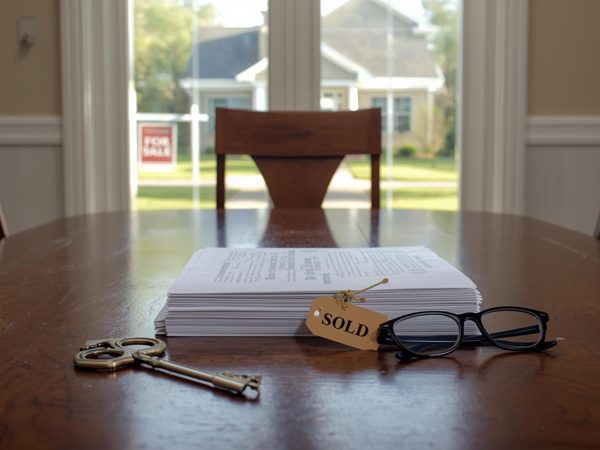
Inherited property forces you to follow probate steps to sell efficiently: you must obtain court approval, notify heirs and creditors, clear title, and meet filing and tax obligations. Watch for creditor claims and court delays that can threaten sale timing and proceeds. Engage a probate attorney and real estate agent to navigate filings, appraisals, and court confirmations so you can maximize value, resolve disputes, and ensure clean transfer and distribution of proceeds.
Key Takeaways
- Confirm whether probate is required and formally open the estate by filing the petition and obtaining appointment letters for the executor or administrator.
- Inventory and appraise the inherited house, identify liens and estate debts, and calculate net value available for creditors and beneficiaries.
- Secure and maintain the property—insurance, utilities, basic repairs and staging—to preserve value and enable showings during probate.
- Obtain court authorization to sell if required: file a petition or notice to beneficiaries, attend required hearings, and secure court confirmation or written consent from heirs.
- Close the sale through the estate: pay liens, taxes and probate costs, distribute net proceeds per the will or intestacy, and file the final accounting to close probate.
Probate Overview
What probate is and why it matters for inherited houses
Probate is the court-supervised process that validates a will (if one exists), appoints an executor or administrator, inventories assets, pays creditor claims and taxes, and distributes remaining property to heirs. For a house held solely in the decedent's name, probate typically controls the legal transfer of title; until the court process is complete or an authorized transfer document is issued, you may not be able to list, refinance, or clear title for sale.
Time and cost matter here: probate timelines commonly run from about 6 months to 18 months in straightforward cases and can extend longer for contested estates or complex asset mixes. Fees for court, attorney, and executor can range from a few thousand dollars to a percentage of the estate (often around 2-5% of estate value in many jurisdictions), which directly reduces what you can net from selling the property.
When probate is required and common exceptions
Probate is generally required when the decedent owned the house solely in their name without a beneficiary designation, joint tenancy, or a transfer-on-death deed. Many states offer small-estate procedures that bypass full probate when the estate falls under a monetary threshold; those thresholds vary widely, typically from about $50,000 to $200,000 depending on the state, meaning a low-value house may avoid probate entirely.
Common exceptions include property held as joint tenancy with right of survivorship, assets inside a revocable living trust, beneficiary-designated accounts (life insurance, IRAs), payable-on-death bank accounts, and states that authorize transfer-on-death real estate deeds. If the house has an outstanding mortgage or recorded liens, however, creditors' claims and lender requirements can still complicate or delay transfer even when a full probate isn’t needed.
To determine your path quickly, check the deed and chain of title at the county recorder, review beneficiary and trust documents, and confirm your state's small-estate statutes and creditor-claim deadlines (many give creditors 3-6 months to file claims). Acting promptly to secure the property, maintain insurance, and consult a probate attorney when ownership is unclear will reduce the risk of costly surprises during a sale.
Initiating Probate
Locating the will, naming the executor, and filing the petition
Search the decedent’s usual places first: home files, attorney or CPA offices, safe-deposit boxes, email or cloud storage, and recent paperwork labeled “last will” or “estate plan.” If the will is in a safe-deposit box, a bank will often require either the named executor, a court order, or a joint account holder to gain access; failing to secure the original will promptly can delay probate and force the court to rely on copies. When you find the original, file it with the probate court in the county where the decedent lived along with the death certificate and a petition to open probate.
If the will names you as executor, the court generally honors that nomination but still must formally appoint you after reviewing the petition; if there is no will, the court appoints an administrator under state intestacy statutes—typically a surviving spouse, adult child, or next closest relative. Expect filing fees in the range of $200-$600 in many jurisdictions and bring any proof of identity and relationship; some states allow e-filing and electronic service to speed the process. You may be required to post a bond equal to the estate value unless the will waives bond or the court excuses it, and a bond can block your ability to access bank accounts until posted.
Court notices, timelines, and appointment of the personal representative
After you file, the court will set a hearing and require formal notice to heirs and beneficiaries—usually by certified mail—and publication in a local newspaper for a set period. Creditor notice periods commonly run from 60 to 120 days depending on state law; for example, many states give creditors about 90 days from when the published notice appears to file claims. The court’s appointment hearing is often scheduled within 4-12 weeks, though busy courts can push that out longer.
You must file an inventory and appraisal of estate assets within the deadline set by your jurisdiction, commonly 30-120 days after appointment, and some states require interim accountings. If interested parties contest the appointment or the will, expect additional hearings and delays; conversely, an uncontested probate with a competent will and accurate inventory can move much faster, allowing the court to issue Letters Testamentary or Letters of Administration that give you authority to act on behalf of the estate.
More specifically, once the court issues Letters you gain the legal power to collect assets, settle debts, and sell real property—but whether you can sell the inherited home without further court approval depends on the probate regime: under an independent administration or where the will expressly authorizes sales, you can often list and sell the property after filing the requisite notices and appraisals; under a supervised probate, you may need a separate court order and confirmation sale hearing. If notice or inventory requirements are missed, transactions can be reversed and creditors can later assert claims, so check your state deadlines and, when in doubt, consider a short consultation with a probate attorney.
Estate Administration Tasks
Inventory, appraisal, securing and insuring the property
You should complete a room-by-room inventory with photos or video and a written list of high-value items (jewelry, art, appliances) within the first 30 days; that documentation supports appraisals, insurance claims, and distribution decisions. Hire a licensed real estate appraiser to establish the probate value of the house—typical appraisal fees range from $300-$700—and collect at least three comparable sales within a 3-month window to justify pricing for sale or tax purposes.
Secure the property immediately by changing locks, boarding broken windows, and removing perishables; simple steps like a lock change or boarding usually cost $100-$500 but prevent theft and liability. Keep the homeowner’s policy active or obtain vacant-property coverage if the house will be empty for more than 30-60 days, because lapses in insurance can trigger lender-placed policies or exposure to large uninsured losses.
Handling creditor claims, estate taxes, and ongoing expenses
Publish notice to creditors and mail notice to known creditors as required by your probate court; statutory claim periods commonly range from 3 to 6 months, so act quickly to evaluate and pay valid claims. Pay priority obligations first—administration costs, funeral bills (often $7,000-$10,000), secured debts like the mortgage, and taxes—before making distributions to heirs, since unpaid liabilities can reduce or eliminate inheritances.
Prepare and file income tax returns and, if applicable, an estate tax return (federal Form 706 is due within 9 months of death, with a possible 6‑month extension) and review state estate/inheritance rules that may have much lower thresholds. Maintain an estate checking account and set aside operating reserves—generally at least 2-3 months of mortgage, utilities, insurance, property taxes and HOA fees—so ongoing expenses don’t force a rushed sale.
When claims arrive, scrutinize invoices and supporting documentation; small or disputed claims are often settled for 50-80% of the amount if you negotiate early, while clearly invalid claims can be rejected and defended in probate court. Track every payment with receipts and court approvals, because paying an invalid claim or skipping formal probate steps can create personal liability for the executor or administrator.
Preparing the Property to Sell
You should start by documenting the home's condition and assembling any records the court will expect: deed, title info, utilities history, and a preliminary itemized inventory of repairs. Appraisals typically run $300-$600, while a comparable market analysis (CMA) from an agent is often free and uses 3-5 comps within the last 6 months and a 1‑mile radius to set a realistic price range. Factor in obvious hazards — lead paint (pre‑1978), mold, asbestos, and structural issues — because these will drive whether you must disclose, repair, or sell strictly as‑is.
Next, build a budget and timeline tied to probate milestones: routine cleanup and cosmetic work can move quickly, but significant repairs or a court‑confirmed sale add weeks to months. Expect typical probate sales to take anywhere from 3-12 months depending on state procedures; selling to an investor “as‑is” often yields roughly 70-90% of fair market value, while investing in repairs can lift net proceeds if the work increases buyer demand or reduces time on market.
Court permissions, repairs vs. as‑is sales, and valuation
When you plan repairs, classify them as routine maintenance (lawn, locks, minor plumbing) versus substantial work (roof replacement, structural fixes, major HVAC). Many probate courts allow executors or personal representatives to authorize routine repairs without prior approval, but significant expenditures or actions that reduce estate value often require a motion or explicit court permission; thresholds vary by jurisdiction and can be several thousand dollars or set by local rules. If the house contains known hazards — for example, suspected asbestos or an unsafe foundation — obtain documented estimates and court approval before contracting work to avoid personal liability.
Valuation should combine a licensed appraisal with a CMA and, if useful, an investor estimate. A full appraisal gives the court an objective number for confirmations and bidding; investor offers are typically based on ARV (after‑repair value) and commonly range from 70-85% of ARV depending on repair scope. Use photographed bids from licensed contractors to support repair cost estimates in filings; that documentation often persuades judges to authorize specific work or approve a sale price presented at confirmation.
Choosing an agent, marketing, and required disclosures
Select an agent with documented probate experience — ask for examples of at least 10 closed probate or estate sales, sample CMAs, and a written marketing plan that lists channels and fees. Expect a typical commission to be in the 4-6% range, but you can negotiate net‑proceeds scenarios and flat‑fee options if the property needs minimal marketing. Your agent should handle MLS exposure, targeted outreach to local investor lists, professional photography, and coordinate staging or virtual tours to reduce time on market.
On disclosures, require the agent and attorney to confirm state‑specific obligations: lead‑based paint forms for homes built before 1978, material defect disclosures, and any required statement that the sale is subject to probate or court confirmation. Marketing language must be accurate; advertising a home as “probate” without following local rules can scare buyers, so your agent should craft the listing to balance transparency with broad buyer appeal. Staging or cosmetic refreshes often cost $300-$1,500 but can increase offer amounts by up to 5-10% in competitive markets.
Require prospective agents to provide a written checklist: a timeline for listing and court confirmation, a CMA with three comparable sales from the last six months, an itemized marketing budget (photos, staging, online ads), and references from former probate clients. Insist on seeing a sample court‑confirmation package they’ve successfully used and have them estimate net proceeds under at least two scenarios — as‑is sale to an investor and a retail sale after repairs — so you can weigh speed versus return with concrete numbers.
Selling During or After Probate
If you sell while probate is pending, expect the court to supervise the process: you’ll typically file a petition to sell, give formal notice to heirs and creditors, and schedule a confirmation hearing — in many jurisdictions that takes about 30-60 days from filing. Selling during probate can capture market value sooner but adds steps that slow closing and can invite competing bids; selling after probate usually gives you a cleaner title and fewer court appearances, though the probate process itself often takes 6-12 months before you’re free to market without court oversight.
Plan for added timing and cost tradeoffs: marketing a probate sale works best when you coordinate listing, appraisal, and required notices so the court hearing can proceed on schedule, and you’ll need to budget for court costs, publication fees, and possible buyer protections the court may impose. If immediate liquidity matters, a court‑confirmed sale can still close quickly if you attract a cash buyer and the court absence of overbids simplifies confirmation.
Accepting offers, court‑confirmed sales, and overbids
You can accept a buyer’s offer subject to court confirmation, which becomes the baseline at the confirmation hearing; most courts require notice to heirs and creditors and will set a minimum bid or confirm the agreed sale price. If an interested party shows up at the hearing, the court will allow an overbid procedure where the accepted offer becomes the opening bid and others can top it under set rules — overbid increments and deposit requirements vary, but a common pattern is a required deposit of around 10% of the overbid and minimum increases of 5-10% above the prior bid.
Expect that overbids can both benefit and complicate you: they may raise the net proceeds to the estate, yet they also lengthen the timeline and may require the winning bidder to close on abbreviated deadlines or post additional funds to the court. Structure the initial purchase agreement and escrow instructions to align with the court’s confirmation timetable so a confirmed buyer understands deadlines for deposit, appraisal waivers, and closing — this reduces the chance of a confirmed sale falling through and triggering costly re‑listings.
Closing, clearing title, and resolving liens
Title clearing starts with a full title search and payoff demands: mortgage payoffs, property tax arrears, HOA liens, and mechanic’s liens must be satisfied or subordinated before a title company will issue an owner’s policy. Federal tax liens and judgments often survive probate and have priority, so you should obtain payoff statements and lien releases well before closing; in practice expect title companies to require payoffs valid for a short window (commonly 7-30 days) and a court order authorizing disbursement of proceeds to creditors.
Escrow or the closing agent will typically handle disbursements—mortgage balances, approved creditor claims, real estate commissions, and closing costs are paid from sale proceeds per the court order or the estate’s distribution plan. If a lienholder refuses to release, you may need a stipulation approved by the court or a quiet title action, which can add weeks and legal fees; plan for title exceptions to be cured pre‑closing to avoid last‑minute delays.
Do these practical steps early: order the title search as soon as you list, request payoff quotes from mortgage and tax authorities, contact any judgment creditors for written release terms, and work with your probate attorney and title company to prepare the court paperwork that allows proceeds to be disbursed at closing — this coordination typically trims the time between confirmation and recording to 30-60 days and prevents post‑closing surprises.
Problems and Alternatives
You will often hit two parallel problems at once: legal friction among heirs and practical barriers to sale. Simple probates typically close in 6-18 months if there are no disputes, but once an heir contests the will or a creditor files a claim the timeline can stretch to 1-3 years and legal bills can escalate from low single-digit percentages of estate value into the double digits. At the same time, unpaid mortgages, tax liens, or an unclear chain of title can block listing the property and expose you to foreclosure risk or forced sale actions.
Because these issues pile up, you should prioritize a quick title search, early creditor notifications, and a realistic cost-benefit calculation: expensive litigation or quiet-title suits may be necessary, but in many cases alternative transfer methods or an investor sale will preserve more of the estate’s net value by avoiding protracted court involvement.
Common challenges: contested probates, delays, and title issues
Contested probates arise when beneficiaries dispute the will’s validity or share distribution; contested matters commonly add 12-24 months and tens of thousands in attorney fees even on modest estates. You may face procedural hurdles such as service problems (missing heirs), jurisdictional fights if the decedent owned property in multiple states (which triggers ancillary probate), and evidentiary battles over authenticity of documents—each one multiplying court appearances and expert costs.
Title problems are another frequent blocker: hidden liens, unpaid property taxes, or mistakenly recorded deeds create a “cloud on title” that prevents sale or refinancing. If a tax lien exists, jurisdictions can move from assessment to tax sale in as little as 1-2 years, which can wipe out equity unless you act. Your practical defenses are a prompt title report, paying high-priority liens when feasible, and using quiet-title or corrective deed actions when necessary; those remedies often cost less than prolonged litigation but still require months and legal counsel.
Alternatives and workarounds: summary procedures, transfers, and investor sales
When probate is impractical, summary procedures like small-estate affidavits, simplified probate, or transfer-on-death/beneficiary deeds let you move title without full administration. State thresholds vary, but many fall in a broad band from about $25,000 to $200,000 of personal-property value; if your estate fits under a local limit you can often clear assets in 2-8 weeks rather than months. Living trusts and preexisting beneficiary designations also avoid probate entirely if they were set up before death.
Direct transfers to heirs by affidavit or deed can work when all parties agree, but you must handle outstanding encumbrances—mortgages usually remain payable and lenders may require payoff or loan assumption. Selling to investors is another fast option: cash buyers commonly close in 7-21 days and take title “as-is,” which removes repair, staging, and holding costs, though offers typically reflect a discount to market value.
More specifically, expect investor offers to range depending on condition, lien load, and local market strength: in many markets you’ll see cash offers between 60% and 90% of fair market value—closer to 60-75% when major repairs or tax liens exist, and toward 80-90% if the home is rentable and liens are small. If you prioritize speed and certainty over maximum sale price, an investor sale can convert problematic real estate into liquid funds quickly while a summary procedure or beneficiary deed can preserve more equity when the estate meets statutory criteria.
To wrap up
From above you should now understand the probate steps for selling an inherited house: opening the estate, securing probate or letters of administration, inventorying and valuing the property, addressing title defects and liens, obtaining any required court approvals, and coordinating the listing and sale through an executor or administrator who complies with legal duties.
As you proceed, keep detailed records, communicate clearly with co-beneficiaries, and work closely with your attorney, appraiser, and realtor to manage timelines, taxes, and closing costs; following the probate process methodically will help you protect estate value and complete the sale as efficiently as possible.
Need Help With Your Inherited Property?
If you're dealing with an inherited house in Massachusetts, we can help. Check out our services in these areas:
We serve these Massachusetts communities: