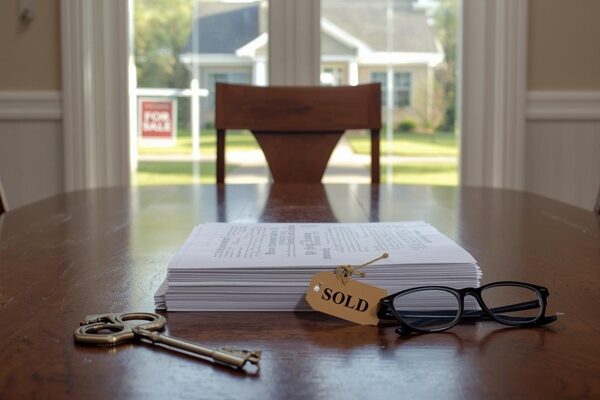

With a clear plan, you can sell your Massachusetts house for cash efficiently and confidently, avoiding long listings and endless showings. Learn how to secure fast closings in days, accept as‑is offers without costly repairs, and protect your funds from lowball offers, scams, and title problems. Compared to Real Estate Agents/Brokers, Companies that buy Houses for Fast Cash often close faster with fewer fees, but you must weigh speed against offer size.
Key Takeaways:
- Cash buyers can close much faster (often within 7–30 days) and purchase properties “as‑is,” thereby reducing the time spent on inspections and repairs.
- Offers from cash companies are typically below retail market value to account for convenience and risk; weigh speed against potential net proceeds.
- Massachusetts-specific closing items — including transfer/recording fees, title search, outstanding liens, and required disclosures — still apply. Use a local closing attorney or title company to handle the paperwork and funds.
- Agents/Brokers vs. Companies That Buy Houses for Cash: Agents/brokers pursue market exposure and may achieve higher sale prices, but they add listing time and commission. Cash companies offer speed and simplicity with a lower net price and fewer contingencies.
- Before accepting an offer, verify proof of funds, obtain the offer in writing with clear terms (including timeline, fees, and contingencies), and confirm who will handle the escrow and closing costs.
Understanding the Cash Home Selling Process
By selling for cash, you move through a streamlined process: an initial inspection or virtual tour, a written cash offer, proof of funds, and a title search, followed by a short closing—often 7–21 days if there are no liens. You should expect buyers (typically investors or cash-buy companies) to purchase as-is, deducting repair estimates from the offer. Watch for existing liens or unpaid taxes that can delay or reduce proceeds; verify the buyer’s proof of funds and escrow procedures before signing.
What Does Selling for Cash Mean?
Selling for cash means the buyer funds the purchase without a mortgage, so you avoid lender underwriting and appraisal contingencies. Typical timelines range from 7 to 21 days from offer to closing when the title is clear. Buyers often expect an as‑is sale and will provide immediate proof of funds or an escrow deposit. This makes the process predictable, but please confirm wire instructions and closing funds for cleared payment before vacating the property.
Advantages of Cash Offers
You gain some benefits: Speed—closings commonly occur within 7–21 days; certainty—minimal financing fall-through risk; and selling as-is—no expensive repairs or staging required. For example, an estate property that sat on the market for 90 days closed in 10 days for cash, saving the seller months of holding costs. Additionally, you typically avoid loan-contingent delays and can opt for immediate disbursement methods, such as wire transfer or certified funds.
In practice, cash offers often range from 70–90% of market value, depending on condition; investors subtract repair and carrying-cost estimates, so a $300,000 ARV might net you $210,000–$270,000 before liens. You can negotiate terms such as a short rent-back or seller-assigned closing date. However, verify proof of funds and insist on a full title search—undisclosed liens or unpaid taxes can cut your net proceeds or stall the 7–21 day timeline.
Preparing Your Home for a Cash Sale
You should prioritize quick-impact fixes that cash buyers notice first, such as curb appeal, a spotless interior, and visible safety issues. Spend where it moves offers — a fresh coat of paint ($200–$800), basic landscaping ($50–$200), or polished hardware ($20–$60 per piece). Cash buyers often close in 7–21 days, so present a property that minimizes inspection red flags and facilitates a swift decision-making process.
Essential Repairs and Upgrades
Start with safety and systems: address electrical hazards, roof leaks, active mold, and major plumbing problems before cosmetics. Targeted fixes — a running toilet ($150–$300), a stuck door hinge ($10–$40), or a cracked window ($100–$400) — reduce buyer holdbacks. You’ll protect offers and avoid last-minute price reductions by resolving items that inspectors flag most often.
Staging Your Home for Maximum Appeal
Declutter, depersonalize, and create clear sightlines so buyers can mentally envision themselves living there; remove approximately 50% of personal items, open curtains, and stage key rooms, such as the kitchen and master bath. Use warm, full-spectrum bulbs, neutral accents, and minimal furniture to create a sense of flow. Affordable virtual staging or short-term rentals ($100–$500) can speed offers from cash buyers who rely on quick impressions.
For practical staging, follow a short checklist: deep clean (2–3 hours, $150–$300), steam-clean carpets ($30–$75), replace outdated light fixtures ($75–$250), swap cabinet hardware ($20–$60 per pull), and add one or two plants for freshness. You should set the thermostat to a comfortable 68–72°F and remove strong scents; small, inexpensive changes often yield the biggest perceived value increases during fast cash sales.
Finding Cash Buyers in Massachusetts
Look locally to connect with cash buyers: targeted direct mail to neighborhoods in Boston, Worcester, and Springfield, investor meetups, and online sites like AllVest Group or local investor groups often yield leads. You can expect cash closings in 7–21 days from professional buyers, while also vetting their reputation—check BBB ratings, Google reviews, and request proof of funds to avoid lowball or fraudulent offers.
Real Estate Investors vs Traditional Buyers
Investors typically buy as-is and close fast, offering roughly 70–90% of ARV depending on needed repairs; you avoid repair costs and contingencies. Traditional buyers working with brokers may push offers closer to market but usually require inspections, mortgage underwriting, and take 45–90 days. Additionally, you’ll incur about 5–6% in commissions, repair credits, and staging expenses that reduce your net profit.
Utilizing Local Real Estate Agents
When weighing agents/brokers versus companies that buy houses for fast cash, understand the trade-offs: agents aim to maximize sale price but add 5–6% commission and longer timelines, whereas cash-buy companies offer speed and certainty with no repair demands but typically lower offers; you should quantify net proceeds after commissions, closing costs, and repair estimates to choose the best path for your timeline and goals.
For example, a 3-bed home listed at $350,000 might net ~$350,000 − 5% commission ($17,500) − $10,000 in repairs = ~$322,500 after a 45–60 day sale; a cash buyer offering $300,000 closes in 10–14 days with no repairs, netting $300,000 immediately. Use comparable sales, contractor bids, and a net-proceeds worksheet to determine whether the extra wait is worth the potential $20k–$25k difference in your pocket.
Pricing Your Home Competitively
To sell for cash quickly in Massachusetts, you must price with local data and buyer psychology in mind. Pricing about 5–15% below comparable active listings often attracts cash investors and cash-ready buyers within 7–21 days, while overpricing leads to long holds and repair demands. Use recent sold comps, factor in condition and closing speed, and weigh the trade-off between net proceeds and a swift, certain closing that cash offers provide.
Researching the Massachusetts Market
Focus on sales from the past 60–90 days in your town or neighboring communities—city cores like Boston and Cambridge typically carry a premium, while inland and western towns trend lower. Check municipal property tax rates, local vacancy trends, and seasonal demand (Cape markets peak May–Sept). Combine public records, recent sale prices, and at least three comparable sales to determine a realistic price range for cash buyers.
Setting the Right Price for Quick Sales
Price to match the cash buyer’s risk profile: expect buyers seeking immediate closings to request a discount of roughly 10–20% for convenience, with offers often arriving when your listing is priced 5–15% below comparable market listings. Aim for clear, round pricing that signals value—multiple low-overhead showings and quick offers follow when your number aligns with investor math and local sales.
For example, if a turnkey comparable sold for $450,000, pricing your similar property at $390,000–$430,000 can trigger rapid cash bids; conversely, a home needing $30,000 in repairs will likely draw offers in the 60–85% of after-repair value range. You should itemize visible repairs, present a realistic net sheet, and choose a price that balances speed against the risk of leaving money on the table.
Navigating the Closing Process
You move into closing once title, payoffs, and paperwork are clear. With a cash buyer, the process often compresses to 3–21 days, depending on title issues and municipal recording times. Expect a settlement statement showing the gross sale price, prorations, lien payoffs, and final net proceeds. Plan to pay with a certified check or wire transfer at signing. Strong documentation and prompt responses from you help speed up the timeline and reduce the likelihood of last-minute holds.
Understanding Closing Costs
Closing costs for a cash sale typically include title search ($150–$500), title insurance (often 0.5%–1% of sale price), recording fees ($35–$125), and escrow/title company fees ($300–$800). You save lender fees, such as appraisal or origination fees—often $1,000–$3,000—yet should still account for prorated taxes, outstanding liens, and any agreed-upon seller concessions when estimating net proceeds.
What to Expect During Closing
Expect to sign the deed, seller’s affidavit, and settlement statement at a title company or with a mobile notary. Funds transfer is commonly made by wire or certified check on the same day. Title issues or unpaid municipal bills can delay recording, and unresolved liens or incorrect wiring instructions are the biggest risks to watch for. Closing typically takes one meeting, but can require follow-up if holds or corrections appear on the settlement statement.
Bring government ID, a copy of the purchase agreement, payoff figures for any encumbrances, and a voided check or wiring details. Carefully review the final settlement line by line—if your sale is $250,000 and a $20,000 mortgage plus $1,200 in unpaid taxes exist, those amounts will be deducted from the proceeds. Also, be prepared for possible escrow holdbacks for agreed repairs (commonly $2,000–$10,000) until completion and recording at the county Registry of Deeds.
Legal Considerations When Selling for Cash
You must address federal and state rules that affect a cash sale: lead-based paint disclosure for homes built before 1978, Title V septic requirements, clear title and unpaid tax or judgment liens that can block transfer, and the Statute of Frauds requiring a written deed and purchase agreement. Because cash closings move fast, undisclosed defects or liens can trigger M.G.L. c. 93A claims or rescission, so verify records and insist on documented approvals before accepting funds.
Disclosures and Legal Obligations
Disclose known material defects such as structural issues, water intrusion, presence of underground oil tanks, active code violations, easements or zoning restrictions, and any environmental hazards; federal law mandates lead-paint disclosure for pre-1978 homes. Failing to disclose items you know about can lead to fraud claims and liability under Massachusetts consumer protection law, so provide written notices and support them with inspection reports when possible.
Working with a Real Estate Attorney
Engage an attorney to draft and review the purchase and sale agreement, conduct a title search, prepare the deed, handle escrow of cash proceeds, and coordinate recording; they protect you from hidden liens, ensure required disclosures are included, and reduce exposure to M.G.L. c—93A actions. In cash transactions, the attorney’s review often shortens the closing process to a few days and ensures that the funds transfer and recording occur correctly.
An attorney will order a title exam and, if requested, title insurance (with a typical premium of ~0.5–1.0% of the sale price). They will also confirm payoff of mortgages or liens and negotiate a resolution of title defects. Additionally, they will verify that septic (Title V) and lead disclosures are documented. Expect attorney fees to be commonly in the $500–$1,500 range for a straightforward Massachusetts cash closing. However, a problematic title or required septic upgrades ($10,000–$25,000 typical) will add time and cost. Your attorney negotiates who bears these expenses and structures escrow to protect your proceeds.
Considering all points, you should evaluate timing, costs, legal requirements, and property condition to decide if a cash sale in Massachusetts fits your goals; compare offer speed, fees, and transparency, get written bids, verify buyer credibility, and confirm tax and lien implications so you protect your proceeds and close efficiently.
FAQ
Q: How does selling my house for cash in Massachusetts work?
A: A cash sale means a buyer (often a local cash-buying company or investor) offers to purchase your property without mortgage financing. The typical steps are: request a walkthrough or photos, receive a written cash offer, sign a purchase agreement, complete a title search and any required disclosures, and close with funds wired or paid at settlement. Many cash buyers purchase properties “as-is,” handling repairs themselves, and often coordinate closing with a Massachusetts real estate attorney or title company to transfer the deed and clear any existing liens.
Q: How quickly can a cash sale close in Massachusetts, and what can delay it?
A: Many cash sales can close in as little as 7–21 days, but typical timelines are 1–6 weeks, depending on title issues and paperwork. Common delays include unresolved liens or judgments, probate or heirship complications for inherited properties, outstanding municipal violations or unpaid property taxes, tenant-occupied homes where notice periods apply, and required local inspections or certifications. If title defects are complex, clearing them can add several weeks or months to the process.
Q: What costs, fees, and legal requirements should I expect when selling for cash in Massachusetts?
A: You should expect a title search, recording fees, attorney or closing agent fees, and possible municipal or state transfer/recording taxes. Sellers must complete required disclosures about known property defects and comply with the federal lead-based paint disclosure for homes built before 1978. If the property has a septic system, smoke/carbon monoxide detector requirements, or local certificates, these may need attention before closing. Cash buyers often pay many closing costs and may cover title and recording fees; however, a buyer’s offer letter should specify which costs each party will cover. Consulting a Massachusetts real estate attorney or title company is advisable to confirm local requirements and ensure a clear title transfer.
Q: Should I make repairs or sell the property “as-is” to a cash buyer?
A: Cash buyers frequently purchase properties “as-is,” accepting needed repairs and code violations in exchange for a faster closing and simplified process. If you make repairs before listing to traditional buyers, you may increase the sale price, but you will incur additional costs, including time, permitting, and scheduling. For a cash sale, compare the estimated repair costs and the expected reduction in offer price from the buyer versus your repair expenses and time to determine which yields a better net outcome.
Q: What are the differences between selling with real estate agents/brokers versus selling to companies that buy houses for cash?
A: Agents/brokers typically market the property widely, aim for competitive offers, and may secure higher sale prices, but the process takes longer and involves marketing, showings, staging, and commission fees. Companies that buy houses for cash prioritize speed, convenience, and certainty: fewer contingencies, fewer repairs requested, and faster closings. The trade-off is usually a lower sale price in exchange for a reduced time on the market, fewer transaction steps, and potentially lower out-of-pocket closing costs. Choose based on whether you value maximum net sale price (agents/brokers) or speed and simplicity (cash buyers).